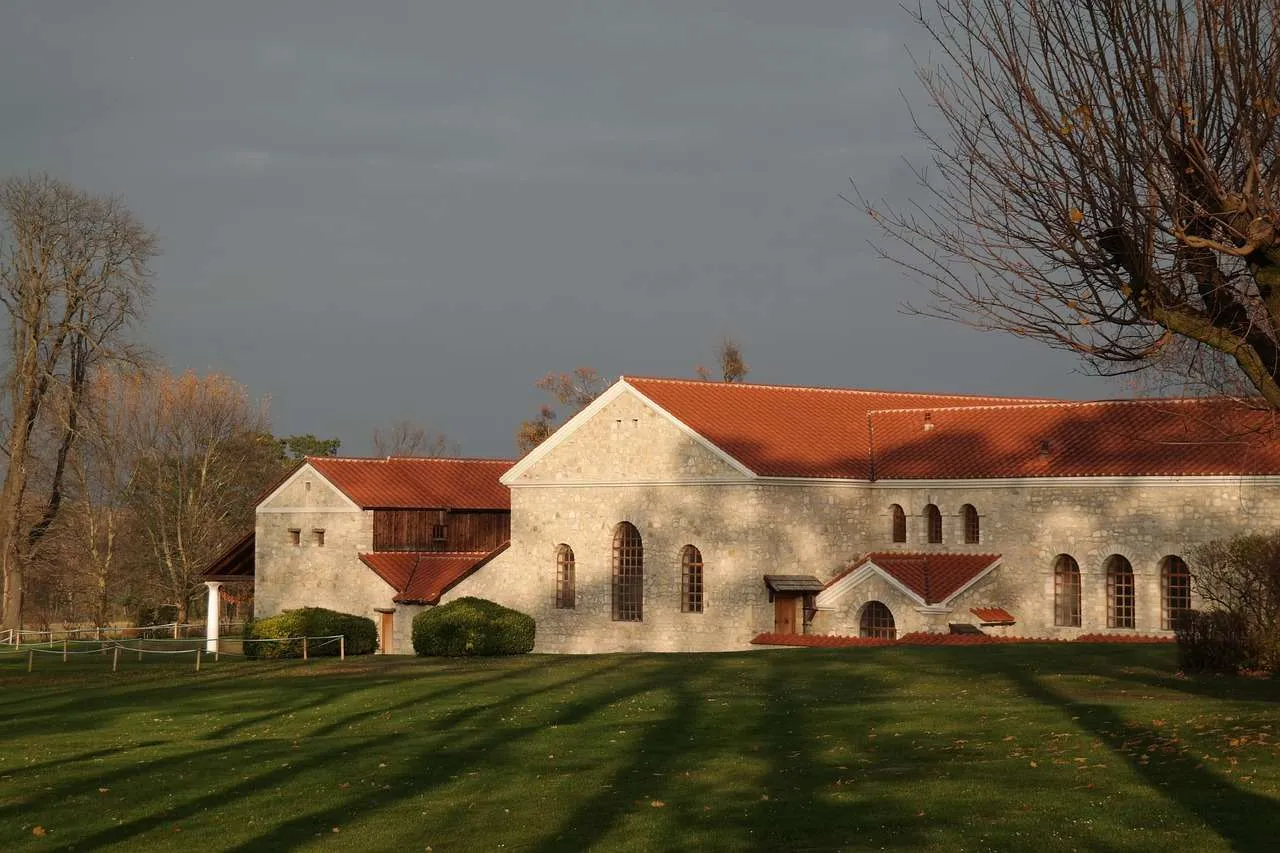
Your roof is the first shield against rain, wind, and sun. Proper roofing and timely roof repairs protect your home and value. This guide explains common issues, how to decide between repair and replacement, typical costs, and how to hire qualified professionals with confidence.
Signs you may need roof repairs
Look for visible leaks or water stains on ceilings, curling or missing shingles, granule loss in gutters, flashing damage around chimneys and vents, and ice damming in cold climates. Unusual attic moisture, damp insulation, or sudden drops in indoor comfort can also indicate hidden leaks. After storms, a quick inspection can catch damage early and prevent larger problems.
Repair versus replacement
Localized damage on a relatively new or well maintained roof is usually best addressed with repairs. If the roof is nearing the end of its expected life, or damage is widespread, replacement may offer better long term value, improved insulation, and energy efficiency. A professional assessment weighs age, material, extent of damage, and budget to recommend the most durable option for your home.
How roof repairs are performed
A licensed roofer begins with a thorough inspection to pinpoint the source of the issue. They may seal leaks with patches, replace damaged shingles, repair or reseal flashing around chimneys and vents, and address ventilation or insulation gaps. After work, a follow up inspection ensures no hidden leaks remain and that flashing and sealants hold up to weather. Reputable contractors provide a written estimate and warranty for materials and labor.
Choosing the right materials
Repairs use materials that match the existing roof when possible. For asphalt shingles, matching color and profile is important for aesthetics and resale value. In some cases a temporary fix is followed by a longer lasting upgrade with a different material, if appropriate for the home and budget.
Common roofing materials and repair needs
Most homes use asphalt shingles for cost effectiveness and ease of repair. Metal roofs offer durability and resistance to certain weather events but require specialized parts for repairs. Tile and slate provide longevity but repairs must be performed by skilled technicians to match weight, color, and texture. Each material has unique maintenance needs, impact on ventilation, and different repair philosophies.
Cost considerations and budgeting
Costs vary by region, roof size, slope, and material. Small repairs can range from a few hundred to about a thousand dollars, while more extensive fixes may reach several thousand. If damage is extensive or the roof is old, replacement may be more cost effective in the long run, especially when you factor energy efficiency and insulation improvements. Always obtain written estimates, confirm warranty terms, and ask about permit requirements. When comparing bids, consider not just price but the contractor’s plan, timeline, and guarantees.
Maintenance tips to extend roof life
Schedule annual or biannual inspections, clean gutters and downspouts, remove leaves and debris, trim branches near the roof line, ensure attic ventilation, and address moss or algae growth promptly. Regular maintenance reduces the frequency and cost of repairs, preserves curb appeal, and protects interior comfort and energy bills.
Repair vs replacement comparison
| Aspect | Roof Repair | Roof Replacement |
|---|---|---|
| Usage and scope | Fixes localized damage | Addresses widespread wear |
| Typical cost | 300 to 1500 | 5000 to 15000 |
| Lifespan after repair | 5 to 15 years depending on material | 20 to 50 years depending on material |
| Disruption | Lower downtime | Higher disruption and duration |
| Warranty | Material and workmanship warranties | Often longer warranties |
| Best for | Minor damage and extending roof life | Extensive damage or aging roof |
Choosing a roofing contractor
Protect your EEAT by evaluating credentials: verify licensure where required, strong insurance coverage, and a solid safety record. Request an in depth written estimate, a clear scope of work, and a fixed price or transparent payment schedule. Ask for references and examples of prior projects, and check for warranties on both materials and labor. Reading independent reviews and confirming affiliations with professional associations can add confidence.
For the best outcome, require clear communication about options, tradeoffs, and timelines. A skilled roofer explains the differences between repair and replacement in plain language, helping you make informed decisions that safeguard your home and investment.
Summary: With careful inspection, a thoughtful comparison of repair and replacement options, and engagement with a qualified contractor, homeowners can protect the roof, extend its life, and optimize value while minimizing disruption and costs.